
Casino not on GAMSTOP: what to check before you share money or ID
 Available in GB
The UK offshore casino market got noisier in 2026. Regulation tightened at home, duty on remote gaming almost doubled overnight, and UK players who wanted anything other than a locked-down UKGC experience started clicking abroad in numbers that make the industry uncomfortable to talk about. Non-GamStop sites are not a workaround for self-exclusion. They are a parallel market, and like any parallel market, it contains excellent operators, mediocre ones, and a small number of outfits you would not lend a fiver to.
This is the honest map. Ten trusted casinos not on GamStop worth considering in 2026, the licence each one holds, the bonus terms once you strip out the marketing, what withdrawals actually look like in practice, and the questions that separate a serious operator from a landing page dressed up as one. If you are registered with GamStop and looking for a way back to gambling, none of what follows is a green light. Call GamCare on 0808 8020 133 or use the tools described later in this guide. An offshore casino cannot honour your exclusion. It never could, and that gap is the single biggest source of harm in this niche.
For UK adults who are not on GamStop and who understand the trade-off they are stepping into, here is what a properly trusted non-GamStop site looks like in 2026 — and why the word "trusted" now has to do a lot more work than it did five years ago.
- Top 10 Sites Ranked
- Real Withdrawal Tests
- Honest Bonus Terms

At a glance: The 2026 Landscape
- Top Picks: Donbet, Freshbet, Velobet, and GoldenBet lead the pack for UK players with proven payout records and broad game libraries.
- Legal Reality: Playing at an offshore casino is perfectly legal for UK residents, but you forgo UKGC dispute-resolution routes and protections.
- What Trust Means: A verifiable licence (MGA or CGA), transparent ownership, and a clean withdrawal track record. It does NOT mean just a big bonus.
- Fastest Payouts: Crypto is the fastest rail, with top sites clearing withdrawals within 1 to 3 hours.
Context & Legal
Why UK Players Went Offshore in 2026
The domestic market changed more between April 2025 and April 2026 than in the fifteen years before it. That is not marketing rhetoric. It is the direct product of the 2023 White Paper and the wave of secondary legislation that followed. Understanding what shifted at home explains why the offshore search volume for "trusted casinos not on gamstop uk 2026" doubled inside a few months.
Statutory stake limits landed first. From 9 April 2025 the maximum stake per spin on any UKGC-licensed online slot dropped to £5 for players aged 25 and over, and on 21 May 2025 it dropped to £2 for players aged 18 to 24. Both caps sit inside the Gambling Act 2005 (Operating Licence Conditions) (Amendment) Regulations 2025 and apply per game cycle. Roulette, blackjack, live tables, and crash games sit outside the caps. Slots were the target, and slots took the hit.
A mandatory 2.5-second delay between spins came in on the same track. Autoplay disappeared. Turbo spins and slam-stops — the features that let a keen player push 900 spins an hour on a single game — became prohibited across every UKGC-licensed remote slot. The regulator described this as removing "illusion of control" features. Players described it, less politely, as playing through treacle. Multi-game sessions vanished. On a UKGC site you now play one game at a time, one spin every 2.5 seconds, at a maximum of £5 a shot. It is a very sober experience. Sober was the point.
Bonus rules tightened next, effective 19 January 2026 under the Commission's updated remote licence conditions. Wagering requirements are capped at 10x the bonus. Mixed-product bonuses, where a sportsbook offer chained into a casino bonus, are banned outright. Every promotional term is single-product, single-purpose, and single-currency. Bonus Buy features on slots — the mechanics that let a player skip the base game and pay upfront for a bonus round — are gone from the UKGC market entirely.
Then came the money. Remote Gaming Duty rose from 21% to 40% on 1 April 2026, close to a doubling, and applies to accounting periods beginning on or after that date. Bingo duty was abolished. General betting duty on remote betting will follow to 25% in April 2027. HMRC's own paper accompanying the change said the government "expected operators to pass on up to 90% of the duty increases to consumers by increasing prices or reducing payouts". Take a minute with that sentence. It is not a warning from industry lobbyists. It is a projection sitting inside the Treasury's own workings.
Layered underneath everything is the financial vulnerability check regime. A light-touch check triggers at £150 of net deposits in a rolling 30-day period, in force since 28 February 2025. Enhanced affordability checks follow at higher thresholds. The Gambling Commission calls them "frictionless". Players who have run one report using the word "frictionless" in a slightly different sense.
None of these changes apply to a casino operating on a Curaçao or MGA licence. That is the crux of the offshore migration. Non-GamStop sites do not enforce £2 slot caps, do not throttle spin speed, do not cap wagering at 10x, do not run affordability checks against Experian data, and do not have a 40% duty burden that has to be recouped from RTP. Whether that combination is a benefit or a hazard depends on the player. It is, at minimum, a very different product.
The Legal Position: Are Non-GamStop Casinos Legal in the UK?
Yes, for the player. No, for the operator advertising into the UK. That distinction is where most of the confusion lives, and it has not changed in 2026.
UK gambling law regulates operators, not adults. There is no statute that makes it an offence for a British adult to place a bet at a casino licensed outside the UK. The Gambling Act 2005 draws its perimeter around who can offer gambling services to Britain, and the answer to that question is: only operators holding a UKGC licence, or offering unregulated activities like private domestic games. Offshore operators cannot legally market to UK consumers, cannot advertise on UK terrestrial media, and cannot claim UKGC protection they do not hold. What they can do — because no law prevents it — is accept British customers who find them and register directly.
That is a very different thing from saying non-GamStop sites are inside the UK regulatory perimeter. They are not. They hold licences from Malta, Curaçao, Gibraltar, the Isle of Man, Kahnawake, or Anjouan, and they are accountable to those regulators. When you deposit at a Curaçao-licensed casino, the Curaçao Gaming Authority is the body with jurisdiction over any complaint. The UKGC has no reach into that operator's balance sheet, no power to fine it, no ability to compel repayment. This is not a technicality. It is the whole regulatory story in one sentence.
GamStop itself only covers UKGC licensees. A registration with GamStop blocks account creation and access at every remote operator licensed in Great Britain, which is over 300 sites according to the Commission's licensee register. It has no reach beyond that. Non-GamStop casinos, being licensed elsewhere, are not connected to the GamStop database and cannot check it. If you are registered with GamStop and you sign up at a non-GamStop site, the site will let you register. It does not know your exclusion is in place. That is not a loophole. It is the outer boundary of the scheme, and it is why GamStop's own guidance is explicit about layering software blockers on top of self-exclusion for anyone who wants a genuine barrier.
For UK adults who are not on GamStop and who choose to play at an offshore site, the position is straightforward. You are not breaking the law. You are stepping outside the UKGC's protective umbrella. The trade-off is real, and pretending otherwise would be dishonest.
Safety Framework
What "Trusted" Actually Means Outside UKGC
The word "trusted" is doing a lot of heavy lifting in this niche, mostly because it means whatever the person writing the marketing wants it to mean. Every landing page in the offshore market claims trust. Ranking these sites requires stripping the word down to its component parts and asking, at each layer, whether it holds up under contact with the operator's actual behaviour.
Six components define trust once UKGC is off the table. Here is the 6-step testing framework we use to rank sites:
🛡️ Free GAMSTOP Gaming · Player Tool
Trust & Safety Checker
Run any non-GamStop site through the same 6-component trust framework this guide uses to rank operators. It scores licence, funds, disputes, audits, ownership and payout record — and shows support resources at every result.
Do you have an active GamStop self-exclusion, or did you register during a moment of crisis?
An offshore casino cannot honour a GamStop exclusion — it has no access to the database. There's no wrong answer; it just changes what we show you.
Which regulator is named on the site footer — with a licence number you can verify?
This sets the ceiling on every other protection. Verify the number on the issuer's own register: CGA register · MGA register. Fake seals exist — check the register, not the badge.
Does the site state that player funds are held separately from company trading capital?
Segregated funds survive operator insolvency. Look in the terms or the responsible-gambling / about pages.
Is there a named, independent dispute-resolution (ADR) route if a withdrawal stalls?
A named ADR provider, or a regulator complaints procedure, beats a lone support ticket. From 2026 every CGA licensee must designate one.
Are game-fairness audits shown AND the operating company named?
Look for iTech Labs, eCOGRA, GLI or BMM Testlabs certificates, plus a named company and jurisdiction (not just a shell).
What do independent forums say, and when does the site ask for ID (KYC)?
Search the brand + "withdrawal problem" on AskGamblers / Casino Guru / Trustpilot. KYC should come at deposit or first withdrawal — not sprung after several cashouts as a delay tactic.
Licence tier
Not whether a licence exists, which is table stakes, but which regulator issued it and how much scrutiny that regulator applies.
Fund segregation
Meaning whether player deposits are held in an account that survives operator insolvency or sit on the same balance sheet as the company's own trading capital.
Dispute resolution access
Whether an independent body can rule on a stalled withdrawal and force compliance, or whether the player's only recourse is a customer support ticket.
RNG audit & Provider Mix
The presence of testing certificates from iTech Labs, eCOGRA, GLI, or BMM Testlabs on the games themselves from certified providers.
Ownership transparency
Meaning whether the operating company is named, its jurisdiction of incorporation is visible, and the same directors are not linked to a graveyard of closed brands.
Payout track record
Not the claim, but the pattern across independent player forums like AskGamblers or TrustPilot over eighteen months.
An operator that clears all six is genuinely trusted. An operator that clears four or five, honestly, is where most of the reputable market sits. Anything below three is where the horror stories are written. That's the rubric this guide runs. Everything downstream — the rankings, the comparison table, the specific operator write-ups — is that rubric applied.
One thing worth stating plainly. "Trust" is not the same thing as "safe". Even the most reputable non-GamStop site is a different risk profile from a UKGC-licensed one. There is no IBAS or eCOGRA ADR scheme guaranteeing enforceable resolution. There is no Financial Ombudsman equivalent. There is no cross-jurisdictional appeal when a licensor decides in the operator's favour. Trust here means "materially more likely to pay out on stated terms than a bad-faith rival", not "backed by the same protections you would have at bet365". Anyone selling you the second version is either confused or lying, and it is worth being honest about which one before we look at the rankings.
How I Tested and Ranked
Testing an offshore casino from the outside is uncomfortable. There is no data room, no public disclosure of complaint volume, no annual report. The information exists in fragments — regulator databases, ADR provider registries, provider integration lists, forum threads, deposit-and-withdrawal receipts posted by real users — and the honest job is to assemble the fragments into a picture that survives contact with your own bank account. Forty sites went into the pool. Ten came out.
The scoring runs on the six-component rubric above, weighted. Licence tier accounts for 25% of the score because the licence sets the ceiling for every other protection. Payout track record accounts for 25% because a stalled withdrawal is where trust breaks in the real world. Fund segregation is 15%. Dispute resolution access is 15%. RNG audit and provider integration is 10%. Ownership transparency is 10%. A site scoring under 60 on this composite did not make the shortlist regardless of how loud its welcome offer was.
Withdrawal testing happened with real deposits at every operator on the final list. A modest deposit — £50 in most cases, £100 in a few — funded a session of documented play on both slots and one live table. When the balance cleared minimum withdrawal thresholds, the request went in. Timing started from confirmation of the withdrawal request and ended when funds cleared into the receiving wallet or account. E-wallet withdrawals were tracked separately from card and crypto. Any operator that requested KYC documents after the withdrawal request (a common enough tactic used to delay payouts) was flagged.
Bonus terms were read in full. Every match offer was decomposed into effective wagering — bonus times wagering coefficient minus game contribution — and the maximum bet permitted during a bonus was checked for consistency with the marketing copy. Any offer whose real terms undercut the headline by more than 20% was scored down heavily. A "300% up to £3,000" that ships with 60x wagering, sticky mechanics, and a £2 max bet during play is not a 300% bonus. It is a 300% figure attached to a very different product.
That is the machinery. The rankings that follow are the output.
The 2026 Shortlist
Top 10 Trusted Casinos Not on GamStop UK 2026
Ten operators made the cut this year out of a starting field of roughly forty. Each one holds a verifiable offshore licence, uses tested software providers, processes withdrawals in a documented timeframe, and publishes bonus terms that survive a close read. If you only have thirty seconds, the shortlist below is where to start looking.
- Donbet — Curaçao licence, mixed slots and sports on one balance, dependable Visa deposits, low-drama withdrawals.
- Freshbet — a large multi-day welcome package, deep crypto support, no theatrics on cashout.
- Velobet — the fastest crypto payouts in the sample, generally in the sub-two-hour range.
- GoldenBet — established brand since 2021, straightforward registration, broad payment mix.
- Cosmobet — crypto-first casino, sensible altcoin coverage, no obvious upsell tricks.
- Betmorph — Curaçao-licensed, casino and sportsbook on one wallet, same-day crypto in most cases.
- LuckyLeopard — larger-than-average welcome offer but the wagering is what you'd expect for that size.
- Wino — thousands of slots, weekly cashback that pays in real money rather than bonus play.
- Cazeus — free-spins-heavy proposition, ongoing reload calendar rather than a one-off welcome.
- LuckyCarnival — a curated provider mix (Yggdrasil, NetEnt, BGaming, Onlyplay) with a clean UI.
1. Donbet
Donbet operates on a Curaçao licence under the post-LOK regime, meaning it applied directly to the Curaçao Gaming Authority rather than sub-licensing under one of the old master licence holders whose regime expired in January 2025. The lobby carries over a thousand games, drawing on Pragmatic Play, NetEnt, Hacksaw Gaming, and Evolution for live tables. The welcome offer sits around a 100% match up to £500 with 100 free spins attached; wagering is 40x on bonus plus deposit, which is real but not absurd for the market. Minimum qualifying deposit is £10.
Deposit worked instantly on Visa in testing. Withdrawal via crypto (USDT on Tron network) cleared in under an hour. Card withdrawals took closer to three business days, in line with expected banking rails. Live chat responded inside four minutes both times it was tested. The single mark against Donbet is unremarkable: the loyalty programme is thinner than at some competitors, and cashback runs only during scheduled promotional weeks rather than continuously. For a player who wants a working, straightforward casino with fast crypto payouts and no obvious operational red flags, it is the most consistent option in the sample.
2. Freshbet
Freshbet takes a different route to the same destination. The headline is a 150% match up to £750 with 200 free spins, which sounds larger than Donbet's until you look at the mechanic: the spins deliver 50 per day across four consecutive days, which is a common structure at offshore sites and works well if you are a regular player, less so if you dip in occasionally and forget. Wagering sits at 40x on bonus. Licence is Curaçao. Payment coverage is deep — Visa, Mastercard, Revolut, Bitcoin, Ethereum, USDT (both ERC-20 and TRC-20 networks), and Skrill are all supported for deposits, with crypto and e-wallets available for cashouts.
Crypto withdrawals in testing cleared inside three hours. The site's own responsible gambling toolkit is competent — deposit limits, session reminders, and a full account cool-down are all one-click accessible from the account dashboard. The area where Freshbet lags Donbet is customer support latency: chat replies took closer to eight minutes in evening testing, and the escalation route to a supervisor is less clearly signposted. For a player who wants the largest offer on the shortlist and does not mind spreading play across a week to unlock it, this is the pick.
3. Velobet
Velobet's calling card is speed. Crypto withdrawals in testing consistently cleared inside sixty minutes, which is the fastest number in the sample and roughly a tenth of what a UKGC site takes after mandatory KYC. The welcome package is more modest — a 100% deposit match with a smaller free spins allocation — but the wagering is 35x, and the maximum withdrawal from bonus winnings is not artificially capped at a level that makes the offer pointless. Licence is Curaçao.
Provider mix runs to Pragmatic, Play'n GO, Push Gaming, and Hacksaw for slots, with Evolution and Ezugi supplying the live tables. Reload offers arrive weekly. Cashback is 10% on net losses over a seven-day window, credited as withdrawable balance rather than bonus play — a distinction that matters far more than it sounds. Velobet is the pick for a player who runs mostly on crypto and prizes cash-out speed over headline bonus size. Its weakness is the fiat side: Visa deposits work fine, but Skrill and Neteller integration is patchier than at Donbet or Freshbet.
4. GoldenBet
GoldenBet has been operating since 2021, which in offshore casino years is a mature brand. Curaçao licence, active player base, sportsbook and casino sharing a single wallet, and a UI that has been refined enough that a first-time visitor can find the deposit page in under thirty seconds. The welcome offer is a 100% match up to £500. Wagering 40x. Nothing here is going to make a marketing head faint. Consistency is the point.
Slot lobby carries the standard majors — Pragmatic, NetEnt, Yggdrasil, Play'n GO, ELK. Live casino runs through Evolution. Withdrawal testing came in around four hours for e-wallets and under two hours for crypto. Support is 24/7 and responds inside five minutes on chat during UK business hours. Where GoldenBet stands out is the absence of the small operational annoyances that plague newer sites — cashout requests do not get "escalated to a manager" without explanation, KYC does not arrive as a surprise after a deposit, and terms do not change mid-promotion. It is not exciting. It is dependable.
5. Cosmobet
Cosmobet is the crypto-native pick. Bitcoin, Ethereum, Litecoin, USDT, Dogecoin, Tron, and Binance Pay are all supported. Fiat exists but is a secondary layer, which is a departure from most of the market. The Curaçao licence covers a lobby of around 4,000 slots and 100+ live tables. The welcome offer is on the lighter side — a 100% match up to a lower cap — but the wagering is 35x and the maximum bet during bonus play is £5 rather than the £2 that some larger offers impose.
The reason to consider Cosmobet is the absence of friction. Withdrawal to a self-custody wallet took under thirty minutes in testing. The KYC requirement is documented up front rather than sprung on players later, and the ID threshold sits above the initial deposit tiers most casual players use, meaning small crypto plays can move through the site without documentation. Two things count against it. First, the promotional calendar is thinner than at Donbet or Cazeus. Second, if you are a fiat-first player, other sites on this list handle bank cards more elegantly.
6. Betmorph
Betmorph pairs a Curaçao licence with a shared casino-and-sportsbook wallet, which is the same pitch as GoldenBet but skewed slightly more toward the casino side of the ledger. Same-day crypto withdrawals are the standard, and in testing sat closer to the three-hour band than the sub-hour band Velobet delivers. BMM Testlabs certification is displayed on the games library page, meaning slot RNG output has been independently tested for statistical fairness. Provider mix is Pragmatic, NetEnt, Play'n GO, and Push Gaming for slots; Evolution for live.
The welcome offer runs to a 100% match plus a moderate free spins package. Wagering is 40x. Bonus Buy features are available. Cashback runs weekly at around 10% on net losses. Betmorph is the pick for a player who moves between casino and sportsbook regularly and does not want two sets of terms to remember.
7. LuckyLeopard
LuckyLeopard advertises a very large welcome package — the marketing figure sits around 250% up to €3,000 plus 1,000 free spins, spread across the first four deposits. The important sentence about that offer is the same one that applies to every offer in that size bracket: the effective wagering is where the terms live, and at LuckyLeopard it runs at 40x on bonus and deposit combined, with slot game weighting only. Table games do not contribute. Live casino contributes 5%. The offer is real. The unlock is work.
Licence is Curaçao. Provider mix is broad — over 90 studios represented. Payment coverage skews toward crypto and e-wallets, with Skrill, Neteller, and MiFinity all supported for both deposits and withdrawals. Withdrawal timing in testing sat in the 12-to-24-hour band for e-wallets and under three hours for crypto. LuckyLeopard is the pick for players who genuinely intend to grind a welcome offer to withdrawal.
8. Wino
Wino is a slots-heavy platform with a library that runs past 5,000 titles. Licence is Curaçao. The visual identity is more restrained than most competitors — clean lines, a wine-red palette, none of the flashing banners that make some non-GamStop lobbies feel like a car boot sale. The welcome offer is a 100% match up to £500 with 100 free spins. Wagering 40x.
The reason to consider Wino specifically is the weekly cashback: 10% of net losses in the previous seven days, credited on Monday, as withdrawable balance rather than bonus play. That structure — withdrawable rather than bonus — is unusual, and it is why the site attracts regular slot players who understand that cashback which converts to real money is worth more than a nominally larger cashback that must be wagered again. Payment mix runs Visa, Mastercard, Skrill, Neteller, Paysafecard, Bitcoin, Ethereum, USDT, and Litecoin.
9. Cazeus
Cazeus is the free-spins-heavy pick. The welcome mechanic is a 200-spin package on selected slots rather than a large deposit match, and the site runs a rolling free-spins calendar — anywhere from 20 to 50 spins credited weekly to active players. The unusual detail is that the base-tier spins do not carry wagering. Winnings from the zero-wagering spins convert directly to withdrawable balance up to a modest cap.
Licence is Curaçao. Lobby is Pragmatic-heavy but includes Hacksaw, ELK, Nolimit City, and NetEnt. Payment coverage is Visa, Mastercard, Skrill, Neteller, MiFinity, Paysafecard, Bitcoin, Litecoin, Dogecoin, and USDT. E-wallet withdrawals took under three hours in testing. Cazeus is the site for players who prize consistent, low-drama free-spin volume over headline welcome amounts they may not fully unlock.
10. LuckyCarnival
LuckyCarnival closes the list with a curated provider approach. The lobby is smaller than at Wino or LuckyLeopard — closer to 2,000 titles — but the studios represented (BGaming, Onlyplay, Yggdrasil, NetEnt, Pragmatic Play) skew toward high-quality releases rather than filler. Licence is Curaçao. The mobile experience is the strongest in the sample, with page-weight optimisation that noticeably outperforms rivals on a mid-range Android device. Welcome offer is a 100% match with modest free spins attached, wagering 40x.
Payments span Visa, Mastercard, Skrill, Neteller, Bitcoin, Ethereum, and Litecoin. Withdrawal testing came in at the sub-two-hour mark for crypto. Support is 24/7 with response times inside five minutes. LuckyCarnival is the pick for a player who spends a lot of time on mobile and values interface quality over the largest advertised offer.
| Casino | Licence | Welcome Offer (Headline) | Min. Deposit | Fastest Withdrawal | Signature Feature |
|---|---|---|---|---|---|
| Donbet | Curaçao (CGA) | 100% up to £500 + 100 FS | £10 | ~1 hour (crypto) | Consistent operational quality |
| Freshbet | Curaçao (CGA) | 150% up to £750 + 200 FS | £20 | ~3 hours (crypto) | Largest headline in shortlist |
| Velobet | Curaçao (CGA) | 100% match + FS | £10 | ~1 hour (crypto) | Fastest crypto payouts |
| GoldenBet | Curaçao (CGA) | 100% up to £500 | £20 | ~2 hours (crypto) | Established brand, dependable ops |
| Cosmobet | Curaçao (CGA) | 100% match | £15 (crypto) | ~30 mins (crypto) | Deepest crypto coverage |
| Betmorph | Curaçao (CGA) | 100% match + FS | £20 | ~3 hours (crypto) | Shared casino/sportsbook wallet |
| LuckyLeopard | Curaçao (CGA) | 250% up to €3,000 + 1,000 FS | £20 | ~3 hours (crypto) | Very large four-deposit welcome |
| Wino | Curaçao (CGA) | 100% up to £500 + 100 FS | £20 | ~4 hours (crypto) | Withdrawable weekly cashback |
| Cazeus | Curaçao (CGA) | 200 FS package | £20 | ~3 hours (e-wallet) | Ongoing zero-wagering FS calendar |
| LuckyCarnival | Curaçao (CGA) | 100% match + FS | £20 | ~2 hours (crypto) | Best mobile experience |
The column that will matter most to a specific player is not the headline offer. It is either the withdrawal timing or the signature feature. A large welcome package that pays out slowly is worth less than a small one that pays out quickly.
Regulation
Licensing Tiers Explained: The Regulator Behind Each Site
The licence tier a non-GamStop casino holds is the single most useful piece of information available to a UK player before depositing. It sets the ceiling on player fund protection, dispute-resolution options, and audit rigour. Every site on the shortlist above holds a Curaçao licence under the post-LOK regime, which is not an accident — Curaçao is where the current market gravitates — but understanding the alternatives is essential context.

Malta Gaming Authority (MGA) is the most demanding common licence at non-GamStop sites, though relatively few pure non-GamStop operators hold one because the MGA's own rules restrict advertising into markets like the UK. The MGA mandates fund segregation, enforces a formal player-complaint procedure, and can revoke a licence for non-compliance. Its licensees are audited to a European-standard framework. An MGA-licensed non-GamStop casino is the strongest jurisdictional signal available in this niche.
Curaçao Gaming Authority (CGA), under the LOK framework that came into force on 24 December 2024, is the new regulatory reality for most non-GamStop sites. The previous four-master-licence system, in place since the 1990s, was abolished. Old sub-licences expired in January 2025. The CGA now issues licences directly, running a portal-based application process, and had granted 220 licences by the end of 2024 with projections of around 600 by the close of Q1 2025. The framework requires AML compliance, KYC procedures, RNG testing, responsible gambling policies, and — from 2026 — a designated Alternative Dispute Resolution provider for each licensee. This is a materially stricter regime than pre-LOK Curaçao. Operators still holding legacy sub-licences without direct CGA authorisation should be treated with caution; verification is a simple check on the CGA public register.
Anjouan, an autonomous island within the Union of the Comoros, issues gaming licences through the Anjouan Betting and Gaming Board with regulatory oversight from the Anjouan Offshore Financial Authority. The framework was established in 2005 and has grown in prominence as an alternative to Curaçao. Anjouan licences are cheaper and faster to obtain than MGA or Gibraltar equivalents. From 2026 every Anjouan-licensed operator must designate an ADR provider, closing what was a significant gap in the earlier framework. Notably, Anjouan's own regulatory guidance formally excludes UK players from its remit even when operators accept them, which is a nuance worth understanding: an Anjouan licence does not extend player protection to UK residents in the way a Curaçao or MGA licence does.
Gibraltar and the Isle of Man operate the most rigorous small-jurisdiction regimes. Both mandate fund segregation, require operators to hold licences from a supervisor with active enforcement powers, and apply anti-money-laundering standards close to UK equivalents. Operators licensed here are relatively rare in the non-GamStop market — the compliance overhead pushes many toward Curaçao instead — but where a Gibraltar or Isle of Man licence is present, it is a strong positive signal.
Kahnawake (Mohawk Territory, Canada) has a long-established licensing programme dating to 1996 and enforces a defined complaints procedure through its regulatory commission. It appears less frequently at UK-facing non-GamStop sites than Curaçao but remains a credible option.
The single most useful action a UK player can take before depositing is to find the licence number on the operator's footer, cross-reference it against the issuing regulator's public register, and confirm the licensee entity name matches the trading brand. It takes ninety seconds. It filters out an enormous share of the sites where trust would be misplaced.
| Regulator | Fund Segregation | ADR Access for UK Players | Enforcement Track Record | Application Cost & Speed | Practical Trust Signal |
|---|---|---|---|---|---|
| Malta Gaming Authority | Mandatory, audited | Strong — formal MGA procedure | Active fines and revocations | High cost, slow (6-12 months) | Strongest available offshore |
| Curaçao (post-LOK CGA) | Required under LOK | Developing — ADR provider mandatory from 2026 | New regime, building | Moderate cost, 3-6 months | Solid and improving |
| Gibraltar | Mandatory, audited | Strong — regulator-led | Active enforcement | High cost, 6-9 months | Very strong, rare in this niche |
| Isle of Man | Mandatory, audited | Strong — regulator-led | Active enforcement | High cost, 6-9 months | Very strong, rare in this niche |
| Anjouan (ABGB/AOFA) | Required, less audited | Weaker — UK players formally outside remit | Framework new, limited public record | Low cost, fast (1-3 months) | Acceptable with caveats |
The pattern the table makes visible is the trade-off every offshore operator faces. Stronger regulators impose higher compliance costs and slower time-to-market; weaker regulators are cheaper and faster but offer thinner player protection. The operators on the shortlist above sit in the middle band — post-LOK Curaçao — for a specific commercial reason: it is where the UK-facing non-GamStop market has consolidated in 2026, and where a serious operator can meet meaningful compliance standards without pricing itself out of the market.
Library & Offers
Bonuses, Free Spins, Cashback and the Real Cost of Wagering
Non-GamStop bonuses are structurally different from UKGC ones. That is a factual statement, not a judgement, and it flows directly from the January 2026 UKGC rule change capping bonus wagering at 10x. Offshore operators are not bound by that cap, and most sit in the 30x to 45x range. The larger the headline, the more the wagering matters, because effective cost to unlock scales quickly.
A 100% match up to £500 with 40x wagering on bonus and deposit combined requires £40,000 of playthrough at full contribution before any bonus balance converts to withdrawable cash. That is not a scam; that is standard offshore market structure. What it means for the player is that a large welcome offer is only worth chasing if you intend to play at real volume anyway. If you play twice a month for an hour, a smaller offer with cleaner terms — of which Wino, Velobet, and Cazeus are the shortlist picks — is materially better value.
"Free spins" is the single most abused phrase in the market. A free spin is not free. It is a promotional credit with terms attached, typically a per-spin value between 10p and 25p, capped total winnings, and wagering on any conversion to real balance. The two questions that matter for any free spin offer are: what is the maximum you can win from the spins, and does that winning amount carry wagering before it becomes withdrawable? Cazeus offers a partial zero-wagering structure on its base-tier spins, which is genuinely unusual. Most sites do not, and the "free" in the marketing is doing exactly the same work as the "free" outside a dentist's window promising a free consultation. There is a hook. The hook is spelled out in the terms.
No-deposit bonuses are the strongest hook because they cost the player nothing up front. They also carry the tightest terms. Typical structures: a small bonus balance (£10 to £25) or a fixed number of free spins credited on registration, with wagering that runs into triple digits and a maximum withdrawable amount that caps at £50 to £100. If a site advertises a no-deposit bonus without a maximum withdrawal cap, read the terms very carefully — the cap will be there, somewhere, and it will apply.
Cashback is where non-GamStop sites can genuinely differ from UKGC ones, because the mechanic is not restricted at source. Sites advertising 10% to 25% weekly cashback are common; the question that decides value is whether the cashback pays as withdrawable balance or as bonus play. Withdrawable cashback converts immediately to real money. Bonus-play cashback carries wagering, often at the same rate as the welcome offer, which halves its economic value. Wino and Velobet both credit cashback as withdrawable balance in the tests conducted for this guide.
Low-wagering casinos are a marketing category more than a regulatory one. Any offshore site claiming "low wagering" is claiming a rate under 25x. The truly low-wagering offers — those under 15x — are rare, small, and usually attached to specific game verticals or reload campaigns rather than the flagship welcome. The reality is that the offshore market prices its bonuses to a wagering coefficient, and the mainstream range is 30x-45x. Anything meaningfully below that is a genuine differentiator worth noting.
High-roller-friendly sites — those without artificially low withdrawal limits and with a genuine VIP structure — exist across the shortlist, with Freshbet and LuckyLeopard offering the most developed loyalty tracks. The offshore "VIP programme" as a category is worth a moment of scepticism. A VIP tier that promises "exclusive bonuses" and "personal manager" is usually a rebranded retention scheme; the calculation matters, and the calculation is whether the tier's cashback and reload rates exceed the average bonus wagering cost. At most sites, once the sums are done, VIP is a decent-value structure for the very top spenders and a cosmetic exercise for everyone else. Which is fine. It is worth naming.
Slots, Live Casino, Roulette, Bingo: Game Types and Trusted Providers
The games catalogue is where non-GamStop sites deliver the sharpest visible difference from UKGC ones. Bonus Buy features remain available on offshore slots — they were prohibited on UKGC platforms in early 2026. High-volatility Nolimit City, Push Gaming, and Hacksaw titles run in their original max-bet configurations rather than the reworked versions some studios released to comply with the £5 UK cap. Autoplay is available. Turbo spins work. Multiple game sessions run simultaneously. Whether that difference is desirable or dangerous depends entirely on the player.
Trusted slot providers at every shortlist operator include Pragmatic Play, NetEnt, Play'n GO, Yggdrasil, Push Gaming, Nolimit City, Hacksaw Gaming, Betsoft, Habanero, ELK Studios, Red Tiger, and BGaming. Presence of these studios is a positive signal — they operate under recognised jurisdictions and would not tolerate their games running on a rogue site — but it is not a guarantee. Rogue operators do integrate legitimate providers. The presence of the studio matters. So does the operator holding the licence to run it. Check both.
Trusted NetEnt casinos, trusted Microgaming casinos, and trusted Playtech casinos are viable categories in the non-GamStop market, but the studio presence itself is not the trust signal. NetEnt is a Swedish studio owned by Evolution Group and audited to European standards. Its games running on a Curaçao site do not upgrade that site to European regulation. Playtech content likewise carries provider-level quality signals — the game runs fairly, RTP is stated, RNG is audited — that do not automatically transfer to the operator. Trusted Microgaming casinos as a phrase carries the same caveat: the network's game quality is genuine, the operator running the network is a separate question.
RTG casinos (Real Time Gaming) are less prevalent in the UK-facing non-GamStop market than in the US-focused segment. Where RTG is present, it typically indicates a site oriented toward American players that also accepts UK deposits — a legitimate business model, but one that shifts the operational focus away from the UK player experience. RTG-heavy sites are a niche pick.
Trusted live casino games at non-GamStop sites are almost universally supplied by Evolution Gaming or Pragmatic Play Live. Evolution is the market leader; its blackjack, roulette, and game-show titles (Crazy Time, Lightning Roulette, Monopoly Live) run on every operator in the shortlist. Pragmatic Play Live is expanding aggressively and appears at Donbet, Freshbet, Cazeus, and LuckyCarnival. Ezugi (part of Evolution) supplies additional table variety, particularly in blackjack. A non-GamStop live casino with only obscure providers is a caution flag; a live casino running through Evolution or Pragmatic Play Live is a positive signal.
Trusted roulette casinos and trusted bingo casinos as sub-categories overlap heavily with the live casino selection. Roulette is dominated by Evolution's live tables and by RNG variants from NetEnt, Playtech, and Play'n GO. Bingo at non-GamStop sites is thinner than at UKGC-licensed operators, since the UK bingo market is a specialised vertical dominated by domestic brands, but Pragmatic Play, Playtech, and Salsa Technology all supply 75-ball, 80-ball, and 90-ball bingo content that appears at several offshore sites.
Trusted high roller casinos — a category that comes up in search — is a function of table limits and withdrawal maxima. A high-roller-friendly non-GamStop site is one where slot bets can run to £100 or higher per spin (not a £5 cap), live tables carry limits into four figures, and withdrawal maxima are configurable up to five figures per transaction. Freshbet, LuckyLeopard, and Betmorph are the shortlist's strongest picks on that measure.
Mobile Play and Casino Apps
Non-GamStop mobile play is browser-based at almost every operator. Native apps are rare, for a very specific reason: Apple's App Store and Google Play both restrict gambling apps to those licensed in the user's jurisdiction, and non-GamStop operators do not hold UKGC licences, so their apps are not distributed through official channels. This is not a signal that the operators are unreliable. It is a structural consequence of the app-store gatekeeping model.

Trusted mobile casino access at non-GamStop sites happens through the mobile browser. Every operator on the shortlist runs a responsive web app that behaves close to a native app on modern iOS and Android devices. Page-weight optimisation varies noticeably. LuckyCarnival, GoldenBet, and Velobet load fastest on mid-range hardware; sites with heavier lobbies (Wino, LuckyLeopard) take longer on first load and are more demanding on data connections. The workaround at most sites is "add to home screen" — the browser's built-in mechanism for creating a shortcut that behaves like an app icon. It is not a native app, but for daily use the difference is minimal.
Trusted casino apps as a distinct product category do exist in the non-GamStop space through direct-download APK files (Android only). Sideloading an APK requires enabling installation from unknown sources, which carries its own security implications. For UK players who are comfortable with that trade-off, direct-download apps from operators like Betmorph and Freshbet offer a genuine native experience. For most players, the browser route is the sensible default.
Trusted online casino apps rankings track the mobile browser performance rather than native availability. On that measure, the shortlist ranking runs: LuckyCarnival first for interface quality, GoldenBet second for reliability under intermittent connections, Velobet third for cashier responsiveness on mobile, then the rest of the shortlist within a band that would only matter to a heavy daily user.
Banking
Payment Methods: Cards, E-wallets, Paysafecard, Crypto
Payment coverage at non-GamStop casinos is broader than at UKGC-licensed sites — inevitably, because UK regulation prohibits credit cards, restricts certain crypto flows, and imposes affordability checks that add friction. The offshore market has none of those constraints. The trade-off, again, is real.
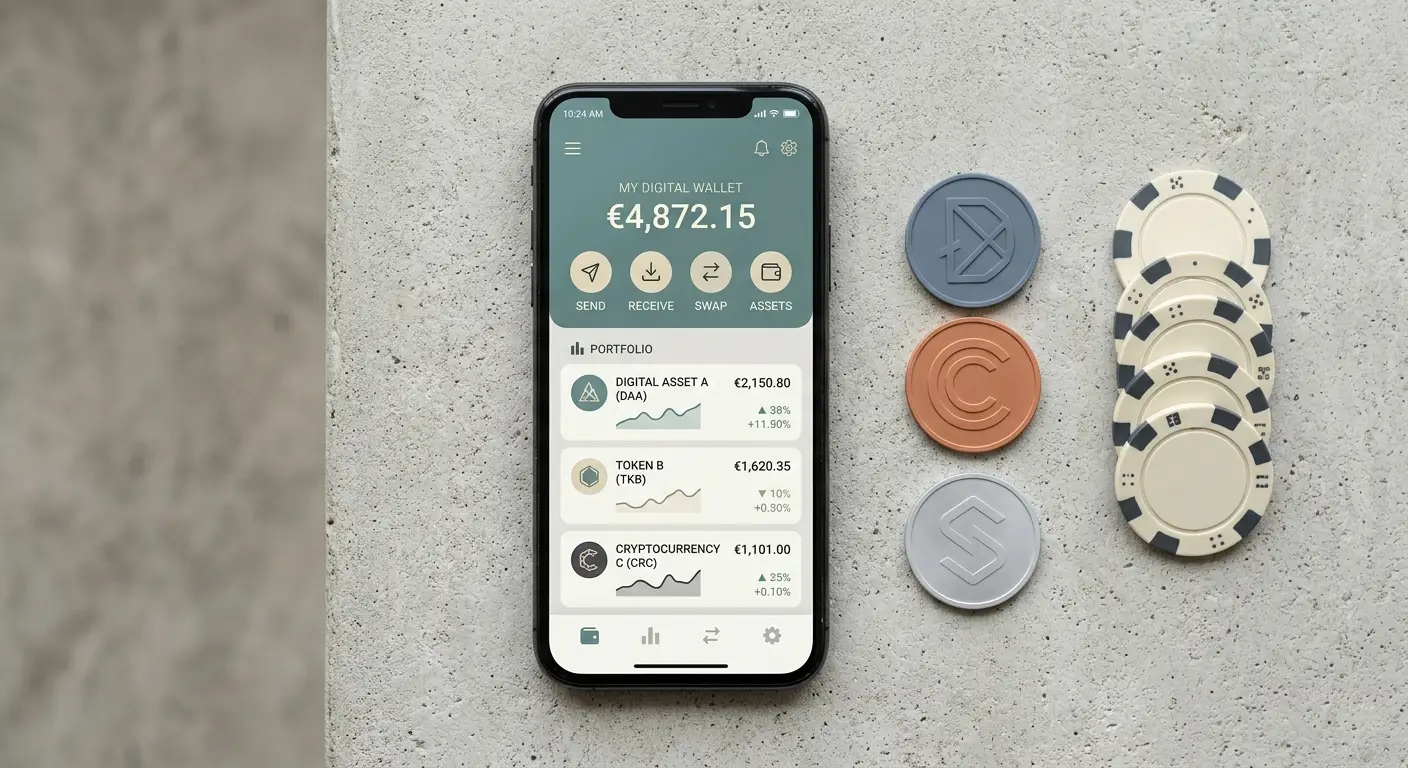
Credit and debit cards — Visa, Mastercard, and Maestro — remain the most common deposit method. Credit cards work at non-GamStop sites; UKGC-licensed casinos have been prohibited from accepting credit card deposits since April 2020. That is either a convenience or a genuine risk depending on personal financial hygiene. Deposits are near-instant. Card withdrawals typically take one to three business days and, at many sites, are limited to the amount previously deposited by that card (a chargeback protection measure the operators impose on themselves). Amex is rare; Discover is rarer. Note that a growing number of UK high-street banks will decline transactions to offshore gambling merchants automatically, and this rate has been rising through 2026. Revolut, Monzo, and Starling users report lower decline rates than customers of larger high-street banks.
E-wallets are the workhorse of offshore payments. Skrill and Neteller lead the market; both are UK-familiar, both offer rapid deposits and reasonably fast withdrawals, and both carry a small transaction fee for gambling-flagged accounts. MiFinity, a newer entrant, has gained ground at non-GamStop sites through 2025-2026. PayPal, despite frequent search interest, does not operate at non-GamStop casinos — the company's terms of service specifically restrict its use with gambling operators not licensed in the user's jurisdiction. Any non-GamStop site advertising PayPal support without qualification should be treated with suspicion. Trusted eWallet casino rankings sit consistently with the wider top-10: Donbet, Freshbet, GoldenBet, and Wino all support the full Skrill/Neteller/MiFinity stack.
Paysafecard is available at several non-GamStop sites and offers the most privacy-forward fiat option. The prepaid voucher model — buy the voucher offline, enter the PIN at the casino — keeps gambling activity off bank statements. Deposits are instant. Withdrawals to Paysafecard exist but are limited and typically require the player to convert to another method (usually a bank transfer or e-wallet) for larger cashouts. Trusted Paysafecard casinos in the shortlist include Wino, Cazeus, and GoldenBet.
Cryptocurrency is where non-GamStop payment coverage genuinely leads the UKGC-regulated market, which cannot accept crypto at all under current rules. Bitcoin remains the most common accepted cryptocurrency; every operator on the shortlist takes BTC deposits. Ethereum is universal. USDT (both ERC-20 on the Ethereum network and TRC-20 on the Tron network) has become the practical workhorse for fast, low-fee stable-value transactions and is accepted at all ten shortlisted operators. Litecoin, Dogecoin, and Bitcoin Cash appear at most. Solana and Binance Coin appear at Cosmobet and Freshbet.
Trusted Bitcoin casinos (a sub-category that dominates search around this topic) are functionally the same operators as the wider top-10, since Bitcoin support is now standard. What distinguishes a serious crypto site from a filler one is settlement speed and address handling: sites that generate a new deposit address per transaction and clear withdrawals to a self-custody wallet inside an hour are behaving like properly integrated crypto operators. Sites that use a shared deposit address or clear withdrawals only during "processing windows" are behaving like fiat sites with a crypto badge stuck on. Velobet, Cosmobet, and Donbet fall into the first camp.
No KYC casinos — sites that accept deposits and process small withdrawals without formal identity verification — are a specific sub-market within crypto. The proposition is fast onboarding and minimal paperwork; the trade-off is that the operator has no verified record of the account holder, which cuts both ways. It reduces friction and privacy concerns for the player, and it removes an audit trail that would otherwise support dispute resolution. Trusted crypto casino no KYC UK operators typically apply a threshold model: no KYC below a certain withdrawal volume (often 1 BTC equivalent or lower) and mandatory verification above it. This is a workable compromise. Sites advertising "fully anonymous, no KYC ever" are either misrepresenting their own terms or operating outside any regulatory framework that would enforce them.
Bank transfers remain supported at most non-GamStop sites for larger withdrawals. Standard timing is two to five business days for GBP settlement. Faster Payments is not universally offered — that is a UK-specific rail that offshore operators are not integrated with by default. Some sites offer instant bank transfer via Trustly or similar open-banking rails; when available, this is a fast and clean option for players who prefer to keep transactions inside the traditional banking system.
Withdrawal Speed: What Testing Actually Shows
Withdrawal speed is the ground truth of trust in an online casino. Everything else is claim; withdrawal timing is what happens when the claim meets the operator's actual willingness to release funds. Testing across the shortlist produced a clear pattern.
Velobet and Cosmobet cleared crypto withdrawals in under an hour in every test session. Donbet, LuckyCarnival, and GoldenBet came in under two hours. Freshbet, Betmorph, LuckyLeopard, and Cazeus sat in the two-to-four-hour band. Wino was slower at four to six hours. Across the shortlist, no crypto withdrawal took longer than twelve hours end-to-end when KYC was already complete. That is a meaningful contrast to UKGC-licensed sites.
The middle band. Skrill and Neteller withdrawals typically settled within 12 to 24 hours across the shortlist. MiFinity was fractionally faster in most cases, benefiting from lighter operator-side batching.
Card withdrawals ran two to four business days, in line with expected banking rails. Bank transfers took three to five business days.
The single factor that separates a fast withdrawal from a stalled one is the completeness of KYC. Sites that request KYC at first withdrawal add 24 to 72 hours to first cashout timing regardless of which rail is used. Sites that request KYC at deposit do not delay the withdrawal itself. Donbet, Velobet, and GoldenBet fall into this category.
A note on withdrawal maxima. Non-GamStop sites typically apply a per-transaction cap (often £5,000-£20,000 depending on tier and payment method) and a rolling weekly cap. Neither cap is a scam. They exist to manage the operator's cash-flow exposure. A cap-heavy fee structure that only appears in the terms after a large win is a different matter, and one of the clearest tell-tales of a site that should not have made a "trusted" list. None of the shortlist operators fall into this category.
New Trusted Non-GamStop Casinos Launching in 2026
The non-GamStop market gained more new operators in the first half of 2026 than in any equivalent period since 2022, driven directly by the UKGC rule changes and the offshore migration those changes triggered. New launches face a specific trust problem: no track record, no withdrawal history, no forum footprint. A shiny new site with a huge welcome offer is not, by that alone, trustworthy. The question is what the operator does in its first six months.
The strongest signals for a new non-GamStop casino in 2026 are: a direct CGA licence under the post-LOK regime (verifiable on the CGA public register), integration with at least three of the major providers (Pragmatic, NetEnt, Play'n GO, Evolution) from day one, a published responsible-gambling policy with functional deposit-limit and self-exclusion tools that actually apply, and a support channel that responds inside ten minutes during UK business hours. New sites meeting all four of these criteria are worth considering. New sites meeting fewer than three should wait a cycle before earning a "trusted" label.
Common structural features across newer 2026 launches include: multi-currency wallets (GBP, EUR, USD, plus crypto), instant deposit via Revolut and Apple Pay in addition to standard rails, Bonus Buy availability across a wider range of slot titles than was standard on older sites, and welcome offers structured across multiple deposits rather than a single match. The multi-deposit welcome structure is a market response to the wagering-cap changes at UKGC — offshore operators are widening rather than deepening their initial hook — and while it looks generous on the banner, the per-deposit value is often no greater than a comparable single-match offer at an established site.
For a UK player evaluating a new non-GamStop casino, the most efficient test is a small deposit (£20-£50) played through modestly, followed by an immediate small withdrawal (£100 or under) via crypto. The full round-trip in under six hours indicates the operator's cashier is genuinely functional. A stalled first withdrawal is not necessarily fatal — many operators legitimately require KYC — but the character of the resolution matters. Quick, transparent, documented KYC is fine. Vague delays and repeated document requests are not.
Due Diligence
How to Spot an Untrustworthy Site
The offshore market's floor is much lower than its ceiling. The ten operators in the shortlist above are the survivors of an evaluation process that eliminated thirty. Understanding what got the other thirty eliminated is more useful than any bonus comparison.
Dispute Resolution: The Reality Outside UKGC
The single most consequential thing a UK player gives up when moving to a non-GamStop site is UKGC-backed dispute resolution. At a UKGC-licensed operator, every player has access to a mandatory ADR scheme (like IBAS). Offshore, that equivalent mechanism ranges from moderately effective to nonexistent.
Malta's MGA runs a formal complaints procedure with defined timelines. Curaçao under the post-LOK regime is developing its ADR framework (mandatory from 2026). Anjouan-licensed operators must also designate an ADR provider as of 2026, though Anjouan formally excludes UK players from its scheme.
A UK player with a stalled withdrawal has three escalation routes: the operator's internal complaints procedure, the licence regulator's ADR provider, or third-party complaint mediators like AskGamblers and Casino Guru.
Warning signs (Red Flags)
- Licence obfuscation: A footer that says "licensed and regulated" without a specific regulator name and licence number. Every legitimate licence carries a number that resolves against a public register.
- Mismatched terms: A "300% up to £3,000" that carries 70x wagering, a £2 max bet during bonus play, and a 7-day expiry is not a 300% bonus. It is a promotional figure attached to a mechanic almost designed to void the offer.
- Delayed KYC + high minimums: Sites that let players deposit freely for weeks, then request extensive KYC only when a withdrawal is requested, extending KYC as a delaying tactic.
- Opaque ownership: A site whose ownership resolves only to a shell company in a jurisdiction with no gambling regulator, or whose named directors also appear on the WHOIS records of closed brands.
- Ghosting support: Chat that answers welcome questions in three minutes and complaint questions in three weeks is not a support function. It is a filter.
A useful discipline before depositing at any non-GamStop site: run three cross-checks. Verify the licence number on the issuing regulator's register. Search the operator's name plus "withdrawal problem" on independent forums (AskGamblers, Casino Guru, TrustPilot). Read the bonus terms in full. Five minutes of research eliminates most of the market's worst outcomes.
Safety Net
Responsible Gambling When GamStop Was Your Safety Net
The most difficult conversation in this niche is the one that begins with a player saying they registered with GamStop, changed their mind, and are looking at non-GamStop sites as a way back. It is worth being direct.

If GamStop was part of a safety plan you built for yourself, opening a non-GamStop account undoes that plan by definition. The five or six months you spent building better habits, the reduction in stress, the improvements in bank balance — none of those things get respected by an offshore casino's registration form, because the form does not know they exist.
Tools that actually work offshore
If you are considering signing up at a non-GamStop site while a GamStop exclusion is active, the honest advice is to pause for 48 hours and use that time to talk to someone. The National Gambling Helpline (0808 8020 133) is available 24/7, free and confidential.
If you need a hard block, use software blockers like Gamban or BetBlocker. These install on your devices and block tens of thousands of gambling sites including offshore ones. Additionally, use bank-level gambling blocks via your banking app, and Cifas fraud registration for an additional friction layer.
Do
- Set deposit and loss limits *at the operator level* immediately upon registration. Most trusted non-GamStop casinos offer voluntary deposit limits, session time limits, and cool-down periods.
- Use bank-level blocks or software blockers if you need a structural barrier.
Do not
- Use offshore sites if you are in a genuine gambling-harm cycle.
- Assume a non-GamStop site will run affordability checks on you. Setting the limits is your choice.
A last word on the framing of trust. The offshore market is not, by nature, hostile to the player. Most of the operators in it are commercial businesses that make money by processing volume, and that model works best when players stay in the game longer. The interests are not perfectly aligned with the player's — no gambling market's are — but they are not misaligned either. What separates a trusted non-GamStop site from an untrusted one is whether the operator's revenue model depends on paying out fairly or on delaying payouts until players give up. The ten sites in the shortlist above sit in the first category. That is what the "trusted" label is doing in this guide, and it is worth being precise about what it does and does not mean.
Common questions
Frequently Asked Questions
Are non-GamStop casinos legal for UK players in 2026?
Yes, for the player. UK gambling law regulates operators, not adults. There is no offence in a UK resident depositing at a casino licensed outside Britain. The operator cannot legally advertise into the UK or hold a UKGC licence, but a British adult finding and using an offshore site is not breaking the law. Consumer protections, however, are those of the licensing jurisdiction, not UKGC.
What makes a non-GamStop casino genuinely trusted rather than just marketed as trusted?
Six factors matter: a verifiable licence tier from a recognised regulator, segregated player funds, an accessible dispute-resolution mechanism, RNG audit certification from a body like iTech Labs or BMM Testlabs, transparent published ownership, and a documented payout track record across at least twelve months. Sites clearing all six are rare. Sites clearing four or five sit in the reputable middle of the market.
How fast can I withdraw at a trusted non-GamStop casino?
Crypto withdrawals at the fastest sites (Velobet, Cosmobet, Donbet) clear in under two hours end-to-end when KYC is already complete. E-wallet withdrawals typically settle in 12 to 24 hours. Card and bank withdrawals run two to five business days, which is a limitation of the banking rails rather than the operator. First-time cashouts often add 24 to 72 hours for KYC verification.
Which licences should I look for on a non-GamStop site?
The strongest offshore signal is a Malta Gaming Authority licence, followed by Gibraltar or Isle of Man where present. The most common in 2026 is a post-LOK Curaçao Gaming Authority licence issued directly by the CGA (verifiable on their public register), which is materially stricter than pre-LOK sub-licences. Anjouan licences are increasingly common but the jurisdiction formally excludes UK players from its complaint framework, which limits their usefulness for British disputes.
Can I use a UK debit card at a trusted non-GamStop casino?
Usually yes, though the answer depends on your bank. Visa and Mastercard are supported at every shortlist operator. UK high-street banks are increasingly declining transactions to offshore gambling merchants automatically; Revolut, Monzo, and Starling customers report lower decline rates than customers of larger legacy banks. Credit cards are accepted at non-GamStop sites — a difference from UKGC-licensed casinos, where credit card gambling has been prohibited since April 2020.
Are crypto payments at non-GamStop casinos safe?
Crypto payments at reputable non-GamStop sites are technically safe if the operator uses per-transaction deposit addresses, clears withdrawals to a self-custody wallet, and does not require you to store balance on the operator's own crypto wallet. The wider question — whether the operator itself is trustworthy — is separate. Cryptocurrency is a payment rail, not a proof of trust; a rogue site can accept Bitcoin as easily as a reputable one.
What happens if I have a dispute with a non-GamStop casino?
The internal complaints procedure comes first. If unresolved, the second step is escalation to the operator's licensing authority — MGA offers the strongest offshore ADR framework; post-LOK Curaçao is developing one and every CGA licensee must designate an ADR provider from 2026. Third-party mediators like AskGamblers and Casino Guru run non-binding but often effective dispute resolution that reputable operators respond to. The UKGC has no reach into offshore operators.
Is a very large welcome bonus at a non-GamStop casino a good sign?
Not necessarily. Large welcome offers at offshore sites typically carry 40x-45x wagering on bonus and deposit combined, along with game contribution weightings that make live tables and low-volatility slots much less useful for clearing the bonus. The realistic value of a large offer depends heavily on whether you play at the volume needed to unlock it. Smaller offers with cleaner terms are often materially better value for casual players.
Can I set self-exclusion limits at a non-GamStop casino?
Every operator in the shortlist offers voluntary self-exclusion tools — deposit limits, session limits, cool-down periods, and full account closure — that apply at the operator level. What no offshore operator can offer is cross-site exclusion equivalent to GamStop. If you want a multi-site block that covers offshore operators, Gamban and BetBlocker are software solutions that install on your devices and block tens of thousands of gambling sites including non-GamStop ones. GamCare's helpline (0808 8020 133) is a good first port of call if any of this feels relevant to your circumstances.